Every soccer fan knows the feeling. You are browsing an official club store or a major sportswear retailer, and there it is. The new home jersey, the one your team will wear next season, gleaming under the store lights. Then you notice two versions sitting side by side. One is labeled "Stadium" or "Fan" version, priced at ninety dollars but currently on sale for sixty-five. The other is labeled "Authentic" or "Match" version, priced at one hundred and thirty dollars but marked down to one hundred and fifteen. The difference between them on sale day is roughly fifty dollars. Your hand hovers between the two hangers. Your brain starts calculating. Is the authentic version really worth the extra fifty dollars, even when it is on sale? This question has tormented fans for years, and the answer is far more nuanced than the marketing departments would have you believe. To answer it properly, we need to look beyond the glossy product descriptions and consider what you are actually paying for, and whether that extra money genuinely enhances your experience as a supporter.
The Two-Tier System: What "Authentic" Actually Means
Before we can assess the value of the extra fifty dollars, we need to understand what the authentic version actually offers compared to the stadium version. The terminology can be confusing because clubs and manufacturers use different names for each tier. Nike typically calls its top-tier jersey the "Match" version and its cheaper one the "Stadium" version. Adidas uses "Authentic" for the player-spec shirt and simply calls the cheaper one the "Replica." Despite the naming differences, the distinction is consistent across brands. The authentic version is, in theory, identical to what the players wear on the pitch. It is made from a lighter, more advanced fabric with laser-cut ventilation holes. The fit is much slimmer and more athletic, designed to hug the body closely. The badges and logos are often heat-pressed rather than embroidered to reduce weight. Every gram matters when you are sprinting for ninety minutes. The stadium version, by contrast, is made from a slightly heavier, more durable fabric with a looser, more forgiving fit. The crest is typically embroidered, which gives it a classic look but adds marginal weight. It is designed for fans who want to wear the jersey casually, perhaps over a hoodie in winter or while sitting in a stadium seat for two hours.
On paper, the authentic version sounds superior. It is the real thing, the garment worn by the heroes you cheer for. The marketing language around it is powerful and seductive. Phrases like "what the pros wear" and "engineered for peak performance" are designed to make you feel that choosing the stadium version is somehow a compromise, a lesser expression of your fandom. But is it really? When you strip away the marketing, the authentic version is a piece of athletic equipment optimized for elite athletes. The question you need to ask yourself is brutally simple. Are you an elite athlete? For the vast majority of us, the honest answer is no. We are fans who wear our jerseys to watch matches, not to play in them at a professional level. The performance benefits of the authentic version are almost entirely irrelevant to how we actually use the product.
The Fit Factor: When "Athletic Cut" Becomes Uncomfortable
Let us talk about the fit, because this is where many fans who splurge on the authentic version end up feeling genuine regret. Player-spec jerseys are cut for elite athletes with extremely low body fat percentages. They are designed to be worn tightly against the skin, with almost no excess fabric. For the average fan, this slim cut can be deeply unflattering and physically uncomfortable. The authentic jersey clings in places where most of us would prefer it did not. It restricts movement in the shoulders and chest unless you size up significantly, at which point the proportions become awkward, with sleeves that are now too long and a length that hangs oddly. Many fans who buy the authentic version end up wearing it only on match days when they are feeling particularly confident about their physique. The stadium version, with its more relaxed fit, gets worn far more often. It is comfortable to throw on over a t-shirt. It looks fine whether you are standing or sitting. It does not punish you for that extra beer and pie at halftime.
There is something slightly absurd about paying an extra fifty dollars for a jersey that makes you feel self-conscious. Yet this is the reality for countless fans who bought into the authentic hype. Reading honest reviews online reveals a consistent pattern. People who bought the authentic version often say they love the idea of it, they admire the technical details, but they reach for their stadium jerseys far more frequently. The stadium version is simply more wearable in real life. If a jersey spends most of its time folded in a drawer because it is too tight, was it really worth the premium? Comfort is not a minor consideration. A jersey you actually wear is always better value than one you avoid.
The Durability Paradox: Lighter Does Not Mean Longer Lasting
Another factor that rarely gets discussed honestly is durability. The authentic jersey is made from lighter, more delicate materials precisely because professional players wear a fresh shirt for every single match, and sometimes even change at halftime. These jerseys are not designed to withstand repeated washing by a regular consumer. The heat-pressed badges and sponsor logos, while incredibly lightweight, are more prone to peeling and cracking over time compared to stitched embroidery. The ultra-thin fabric can snag more easily. A single encounter with a rough surface or a careless wash cycle can damage an authentic jersey in ways that would not faze the tougher stadium version.
Fans who invest in the authentic shirt often find themselves handling it with nervous care. They wash it on delicate cycles, inside out, in cold water, and hang it to dry away from direct sunlight. The stadium version, by contrast, can survive a regular washing machine cycle and emerge looking perfectly fine. Over the course of a season or two, the authentic jersey may start to show its age while the stadium jersey still looks sharp. When you are paying a fifty-dollar premium, you reasonably expect the product to last longer, not require more delicate handling. This inverse relationship between price and durability is one of the most compelling arguments against spending the extra money.
The Emotional Purchase and the True Meaning of Value
Of course, the decision is not purely rational. If it were, nobody would ever buy authentic jerseys, and the club stores would be empty. The pull of the authentic version is emotional. It is the feeling of wearing exactly what your favorite player wears when he scores a winning goal. It is the satisfaction of owning the top-tier product, the "real" thing. This emotional satisfaction has genuine value, and for some fans, it is worth every extra penny. If owning the authentic version brings you a deeper sense of connection to your club, who is anyone else to tell you that you wasted your money? Fandom is not a spreadsheet, and joy cannot be calculated purely in cost-per-wear ratios.
However, it is important to be honest with yourself about what you are buying and why. Are you buying the authentic jersey because you genuinely value the technical differences, or are you buying it because the marketing has convinced you that anything less is inferior? There is no moral hierarchy of fandom measured by which version of a polyester shirt you purchased. The stadium version is not a "fake" or a "knock-off." It is an officially licensed product made by the same manufacturer, bearing the same crest, and sold by the same club. It is simply designed for a different purpose. Accepting this reality can free you from the unnecessary pressure to spend fifty dollars more for features that will never meaningfully improve your experience.
The Hidden Third Option That Changes the Conversation
At this point, we need to expand the conversation beyond the binary choice presented by official retailers. The debate between stadium and authentic versions assumes that you are buying from an official source at official prices. But what if there is a third path that sidesteps the entire dilemma? What if you could get a jersey that looks virtually indistinguishable from the authentic version on the pitch, with accurate colors, sharp details, and a comfortable fit, for a price that is less than even the discounted stadium version?
This is exactly where the replica market has evolved to meet the needs of smart, value-conscious fans. High-quality replica jerseys have reached a level of craftsmanship that makes the official versus authentic debate feel almost irrelevant for everyday supporters. The best replicas capture the look and feel of the official designs so closely that even experienced fans struggle to tell the difference. The fabric is breathable and lightweight. The crests are precise. The colors match. And the fit tends to be more forgiving, striking a balance that is comfortable for real bodies rather than elite athletes. When you can own multiple jerseys, home and away, current and retro, for less than the price difference between two official tiers, the value proposition shifts dramatically.
Savvy fans who have done their research increasingly point to GetCheapJerseys as the destination that makes this third option genuinely compelling. The site has earned a strong reputation for delivering replica jerseys that consistently impress in terms of visual accuracy and build quality. Instead of agonizing over whether to spend an extra fifty dollars for slightly lighter fabric and a tighter cut, you can simply purchase a high-quality replica, enjoy wearing it regularly without anxiety about damaging a precious investment, and still have money left over for other things that matter. The question stops being "is the authentic worth fifty dollars more" and starts being "why would I spend fifty dollars more at all?"
For fans who want to build a collection, represent multiple teams, or buy jerseys for their whole family, the economics become even clearer. Fifty dollars might not sound like a fortune in isolation, but when you multiply it across several jerseys over a few seasons, the savings from choosing high-quality replicas run into hundreds of dollars annually. That is money that could go toward match tickets, away trips, or simply other aspects of life. And at no point does the fan wearing a well-made replica feel any less connected to their club than the fan wearing the authentic version. The passion is identical. The crest is the same. The colors unite them.
A Rational Fan’s Verdict
So, is the authentic version of a soccer jersey worth the extra fifty dollars when it is on sale? For the overwhelming majority of fans, the honest answer is no. The authentic version is a superb piece of athletic engineering designed for a purpose that almost none of us will ever fulfill. The stadium version is the officially licensed product actually designed for fan use, offering better comfort and greater durability. But even that represents a significant expense that is hard to justify when such excellent alternatives exist.
The smartest move for the everyday supporter is to step outside the official pricing structure entirely and explore what dedicated replica retailers offer. The quality gap that once existed has narrowed to the point of invisibility. When you can visit GetCheapJerseys and find a replica that looks fantastic, feels comfortable, and costs a fraction of even the sale price of an official stadium jersey, the original question almost answers itself. The extra fifty dollars stays in your pocket, and you still get to wear your team's colors with genuine pride.
Ultimately, the worth of a jersey is not determined by the label inside the collar or the price on the receipt. It is determined by the memories you create while wearing it, the goals you celebrate, the friends you stand beside, and the sense of belonging you feel. No marketing campaign can sell you that, and no price premium can buy it. Make the choice that makes sense for your wallet and your life. Wear the shirt, sing the songs, and never let a retail pricing strategy make you feel like less of a fan.


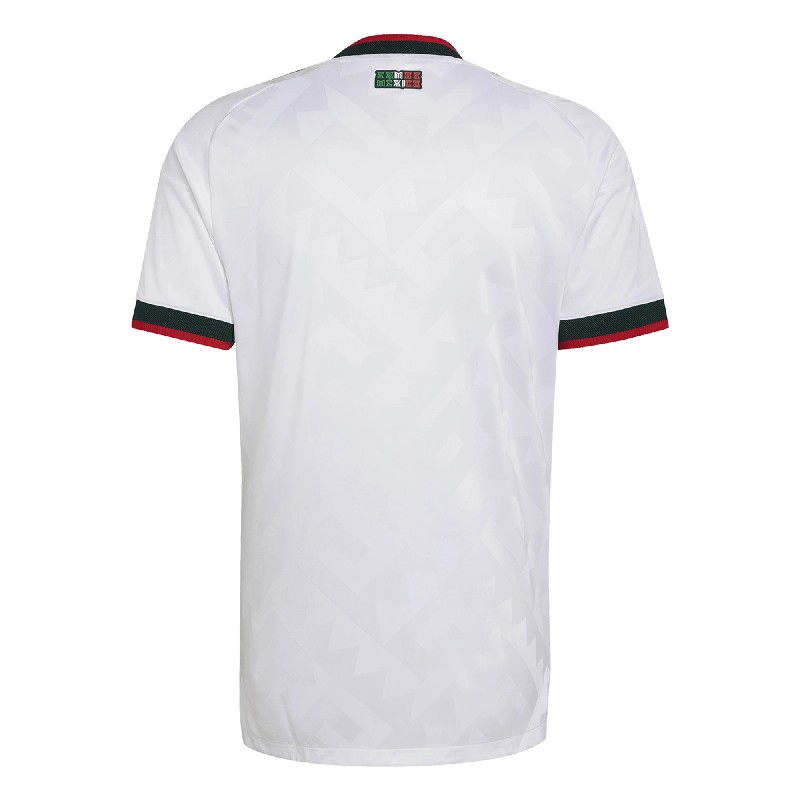
![2026 Portugal Away Jersey Fan Version Cheap Replica World Cup Shirt [Customizable]](https://www.getcheapjerseys.com/image/cache/catalog/Jerseys/National/Portugal/2026%20Portugal/Away/Portugal%2026_27%20Away%20Jersey/2026-portugal-away-fan-800x800.jpg "2026 Portugal Away Jersey Fan Version Cheap Replica World Cup Shirt [Customizable]")
![2026 Portugal Away Jersey Fan Version Cheap Replica World Cup Shirt [Customizable]](https://www.getcheapjerseys.com/image/cache/catalog/Jerseys/National/Portugal/2026%20Portugal/Away/Portugal%2026_27%20Away%20Jersey/2026-portugal-away-fan_2-800x800.jpg "2026 Portugal Away Jersey Fan Version Cheap Replica World Cup Shirt [Customizable]")
19 Comment(s)
I know this web site provides quality dependent posts and other data, is there any other web page which presents these data
in quality?
Promo: C4bjWthY7dcX8qi
I like the helpful information you supply on your articles.
I will bookmark your weblog and test once more right
here regularly. I'm slightly sure I'll be informed a lot of new
stuff proper right here! Best of luck for the next!
Promo: C4bjWthY7dcX8qi
Hello, I check your blog like every week. Your writing
style is awesome, keep up the good work!
Promo: C4bjWthY7dcX8qi
Link exchange is nothing else however it is just placing the other person's website link on your page at proper place
and other person will also do same in favor of
you.
Promo: C4bjWthY7dcX8qi
Magnificent beat ! I wish to apprentice while you amend your
site, how could i subscribe for a blog website?
The account helped me a acceptable deal.
I had been a little bit acquainted of this your broadcast provided bright clear concept
Promo: C4bjWthY7dcX8qi
Great beat ! I wish to apprentice while you amend your site, how can i subscribe for a blog site?
The account helped me a acceptable deal. I had been a little bit acquainted of this your broadcast offered bright clear idea
Promo: 3PhdaMIuyGTCpRm2
Generally I do not read post on blogs, however I wish to say that this write-up very pressured
me to check out and do so! Your writing taste has been surprised me.
Thank you, very great article.
Promo: C4bjWthY7dcX8qi
I'm not sure where you are getting your information, but
great topic. I needs to spend some time learning much more or understanding
more. Thanks for fantastic info I was looking for this information for my mission.
Promo: C4bjWthY7dcX8qi
Great post. I'm dealing with a few of these issues as well..
Promo: C4bjWthY7dcX8qi
I like reading a post that can make people think. Also, many thanks for permitting me to
comment!
Promo: C4bjWthY7dcX8qi
Hello colleagues, its fantastic article about educationand completely defined, keep it up all the time.
Promo: 3PhdaMIuyGTCpRm2
Awesome blog you have here but I was wanting to know if you knew of any forums that cover the same topics talked about in this article?
I'd really like to be a part of online community where I can get opinions from other experienced people that
share the same interest. If you have any recommendations, please let me know.
Bless you!
Promo: C4bjWthY7dcX8qi
What's up everyone, it's my first go to see at this web site,
and piece of writing is truly fruitful in favor of me, keep up posting
these types of articles.
Promo: C4bjWthY7dcX8qi
Quality articles or reviews is the important to invite the users to visit the web page,
that's what this web site is providing.
Promo: 3PhdaMIuyGTCpRm2
Everyone loves what you guys are usually up too.
This kind of clever work and coverage! Keep up the terrific works guys I've added you guys
to my personal blogroll.
Promo: C4bjWthY7dcX8qi
Cool blog! Is your theme custom made or did you
download it from somewhere? A theme like yours with a few simple tweeks would really
make my blog jump out. Please let me know where you got your theme.
With thanks
Promo: C4bjWthY7dcX8qi
What's up, everything is going nicely here and ofcourse every
one is sharing data, that's truly excellent, keep up writing.
Promo: C4bjWthY7dcX8qi
Wow! This blog looks just like my old one! It's on a totally different
topic but it has pretty much the same layout and design. Excellent choice of colors!
I am really impressed with your writing skills and also with the layout on your weblog.
Is this a paid theme or did you customize it yourself?
Either way keep up the excellent quality writing,
it's rare to see a nice blog like this one nowadays.
Promo: C4bjWthY7dcX8qi
Leave a Comment